
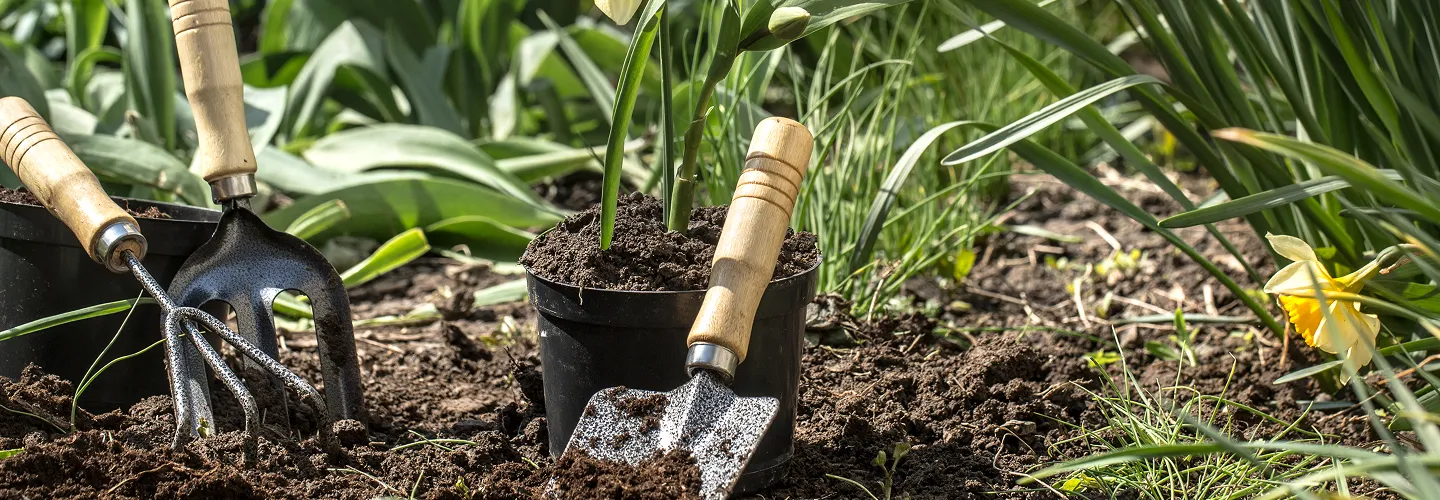
Bellaire Lawn Edging Services
Choose our lawn edging for precise, durable borders that elevate your curb appeal and make yard maintenance effortless—experience the difference of expert craftsmanship and attention to detail.
Get a Free QuoteOur Bellaire Landscaping & Yard Care Services
When to Schedule Lawn Edging in Bellaire, Texas – Seasonal Guide
In Bellaire, Texas, the best times to schedule lawn edging are typically in early spring and late fall. These periods align with the region’s mild temperatures and moderate rainfall, which help grass recover quickly from edging and promote healthy regrowth. Bellaire’s climate, characterized by humid summers and occasional drought conditions, means that edging during the peak heat of July and August can stress your lawn, especially in neighborhoods like Southdale or near Evelyn’s Park, where tree coverage and shade can vary significantly.
Local environmental factors such as the area’s clay-heavy soils, variable shade from mature oaks, and the city’s average last frost date in early March all play a role in determining the optimal schedule. Homeowners should also consider municipal guidelines and seasonal precipitation patterns, as excessive rainfall or water restrictions can impact both the timing and effectiveness of lawn maintenance. For more information on local landscaping regulations, visit the City of Sudbury’s resource page.
Local Factors to Consider for Lawn Edging in Bellaire
- Tree density and shade coverage (especially near Mulberry Lane and Newcastle Street)
- Soil type and drainage, with many properties featuring compacted clay
- Seasonal precipitation and drought risk
- Municipal watering restrictions and service guidelines
- Terrain variations, such as sloped yards or proximity to Brays Bayou
- Timing around the last frost and peak summer heat
Benefits of Lawn Edging in Bellaire
Enhanced Curb Appeal
Weed Growth Prevention
Defined Landscape Borders
Low Maintenance Solutions
Increased Property Value
Professional Installation Expertise
Bellaire Lawn Edging Types

Brick Lawn Edging
-
Stone Lawn Edging
-
Metal Lawn Edging
-
Plastic Lawn Edging
-
Concrete Lawn Edging
-
Wood Lawn Edging
-
Rubber Lawn Edging
Our Lawn Edging Process
Site Evaluation
Marking Edges
Cutting the Edge
Debris Removal
Final Inspection
Why Choose Bellaire Landscape Services
-
Bellaire Homeowners Trust Us
-
Expert Lawn Maintenance
-
Reliable Scheduling
-
Competitive Pricing
-
Professional Team
-
Satisfaction Guarantee
-
Personalized Service
Bellaire’s Predominant Soil Series and Lawn Edging Depth Requirements
Lawn edging in Bellaire must account for the city’s dominant soil types, including the Houston Black clay and Lake Charles clay loam, as identified by the USDA Web Soil Survey. These soils are characterized by high clay content, poor drainage, and a tendency for compaction, which can affect the stability and longevity of lawn edging installations. For optimal results, edging should be installed to a minimum depth of 4-6 inches to prevent shifting during seasonal wet periods and to anchor materials securely in expansive clay. Soil pH in Bellaire typically ranges from 7.5 to 8.2, so corrosion-resistant materials are recommended. Prior to installation, it is advisable to conduct a soil test through Texas A&M AgriLife Extension (test fee: $15-25) to determine amendment needs.
Bellaire Public Works Department
7008 South Rice Avenue, Bellaire, TX 77401
Phone: (713) 662-8170
Official Website: Bellaire Public Works Department
Equipment Operation Hours and Noise Ordinance Compliance for Lawn Edging in Bellaire
Bellaire enforces specific noise and equipment operation ordinances for outdoor maintenance, including lawn edging. According to city code, powered lawn equipment may be operated only during the following hours:
- Monday-Friday: 7:00 AM - 7:00 PM
- Saturday: 8:00 AM - 6:00 PM
- Sunday and holidays: Prohibited Noise levels must not exceed 85 decibels at the property line. All operators are required to use equipment with functioning mufflers and to wear ANSI Z87.1 safety glasses and hearing protection for devices producing over 85 dB. Violations may result in fines of $100-$500 per occurrence. For work near public rights-of-way, advance notification to the city is required.
Bellaire Code of Ordinances – Administration
7008 South Rice Avenue, Bellaire, TX 77401
Phone: (713) 662-8222
Official Website: Bellaire Code of Ordinances – Administration
Stormwater Protection and Environmental Compliance for Edging Projects in Bellaire
Lawn edging activities in Bellaire must comply with local and state stormwater management regulations to protect Brays Bayou and adjacent drainage systems. The city operates under an MS4 permit, prohibiting the discharge of soil, debris, or lawn clippings into storm drains as required by the Clean Water Act and Texas Water Code. Key compliance steps include:
- Maintain a 25-foot buffer from wetlands and open channels
- Collect and properly dispose of all debris; do not sweep into streets
- Use biodegradable bags or 32-gallon bins for yard waste
- Schedule debris pickup on Thursdays, April-November Violations may result in enforcement action by the Texas Commission on Environmental Quality and the city. For guidance on buffer zones and disposal, consult the Environmental Sustainability Board.
Bellaire Environmental Sustainability Board
7008 South Rice Avenue, Bellaire, TX 77401
Phone: (713) 662-8222
Official Website: Bellaire Environmental Sustainability Board
Seasonal Timing and Weather Considerations for Lawn Edging in Bellaire’s Climate
Bellaire is located in USDA Hardiness Zone 9a, with a long growing season and frequent heavy rainfall events, especially from May through September. The optimal window for lawn edging installation is October through early April, when soil moisture is moderate and temperatures range from 55°F to 75°F. Avoid edging during peak summer (June-August), when high temperatures and saturated soils can cause clay expansion and material heaving. Monitor local weather forecasts through the National Weather Service Houston/Galveston Office to avoid scheduling work during severe weather or flood advisories. For best results:
- Schedule edging October 1 – April 15
- Avoid installation after heavy rain (wait 48 hours for soil to drain)
- Inspect for soil movement after major storms
- Re-edge as needed every 2-3 years for clay soils
Zoning, Setback, and Permit Requirements for Lawn Edging in Bellaire
Bellaire’s zoning code regulates the placement of permanent and semi-permanent lawn edging, especially near property lines, public sidewalks, and drainage easements. Edging must be set back at least 2 feet from public sidewalks and 5 feet from stormwater inlets. In historic districts or areas with conservation overlays, additional review by the Planning and Zoning Commission may be required. Permit requirements include:
- Edging over 12 inches in height: permit required ($50 fee, 5-10 business day review)
- Work within 25 feet of a wetland or open channel: environmental review required
- All installations must comply with sightline and accessibility standards For detailed zoning maps and permit applications, contact the Development Services Department.
Bellaire Development Services Department
7008 South Rice Avenue, Bellaire, TX 77401
Phone: (713) 662-8230
Official Website: Bellaire Development Services Department
What Neighborhoods Do We Serve Throughout Bellaire, TX?
- Southdale: Features predominantly clay soils with moderate drainage and mature tree canopies, requiring careful edging placement to avoid root disturbance and ensure stability during wet periods.
- Lovelace: Characterized by smaller lots and proximity to Brays Bayou, necessitating strict adherence to buffer zones and stormwater protection measures for all edging projects.
- Braeburn Country Club Estates: Large lots with expansive lawns and frequent HOA oversight; edging must comply with both city and HOA standards, including setback and material requirements.
- Bellaire Oaks: Contains a mix of older and newer homes, with variable soil compaction and occasional flooding; edging installations should prioritize drainage and use corrosion-resistant materials.
- Peaceful Valley: Noted for narrow streets and limited equipment access, requiring careful scheduling and compact equipment for safe and compliant edging work.
- Teas Garden: Located near city parks and conservation areas, this neighborhood requires heightened attention to environmental regulations and debris containment during edging operations.
- Richmond Plaza: Features high-density development and frequent utility easements, making it essential to verify underground service locations before any edging installation.